

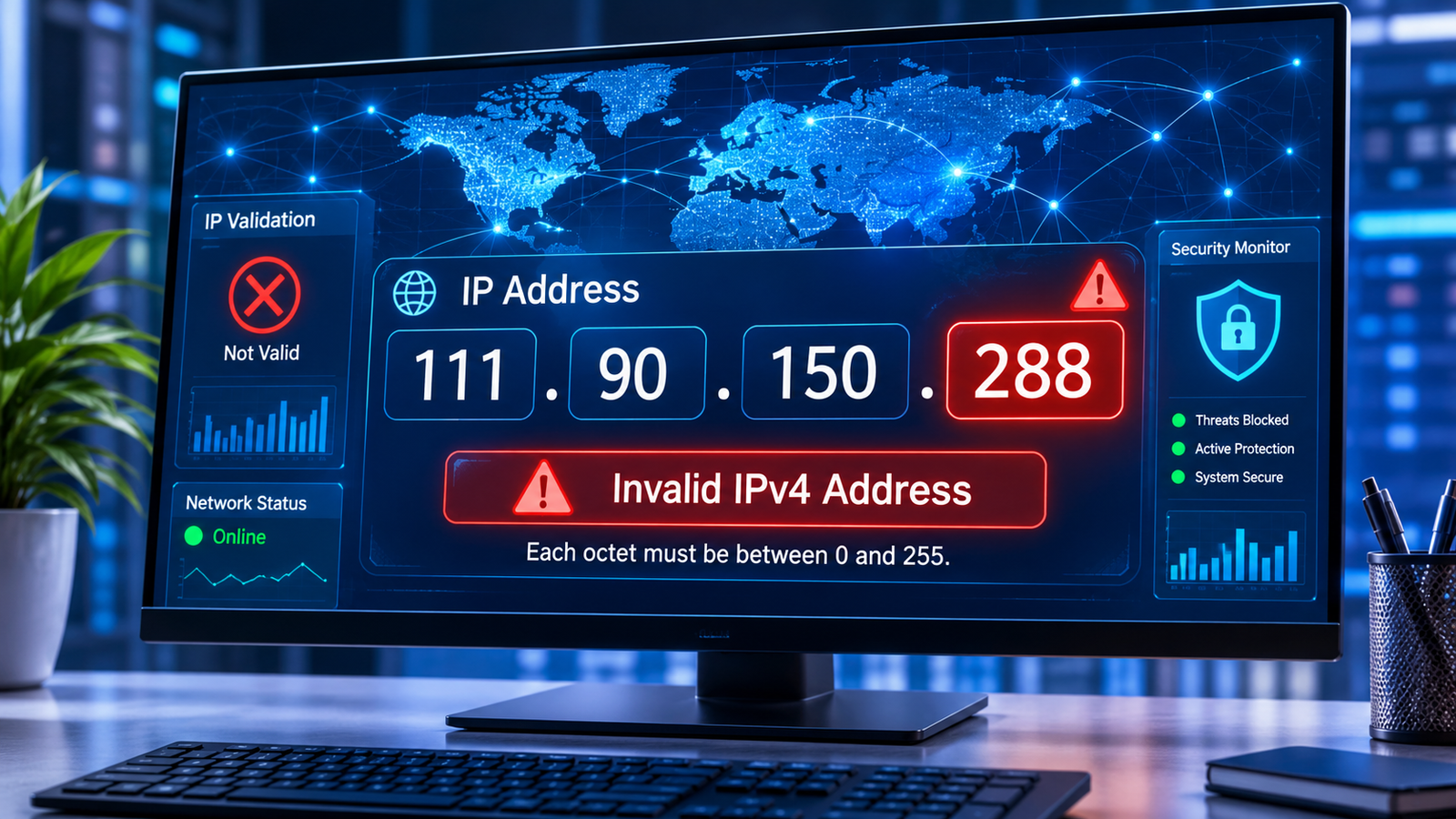
111.90.150.288 is an unusual-looking IP address that may catch someone’s attention when it appears in a website log, browser message, network report, or technical record. However, there is an important detail that changes how this number should be understood: 111.90.150.288 is not a valid IPv4 address because its final numerical section exceeds the permitted range. This means it cannot function as a properly formatted public IPv4 address, and ordinary IP lookup services cannot reliably identify its location, internet provider, or owner.
Understanding why this address is invalid does not require advanced networking knowledge. A basic look at how IP addresses work explains the problem and helps prevent confusion when dealing with unfamiliar numbers.
What Is 111.90.150.288?
111.90.150.288 looks like an IPv4 address because it contains four numerical sections separated by periods. This is the standard visual structure used by IPv4 addresses, which are widely used to identify devices and network interfaces communicating over the internet. However, looking like an IP address does not automatically make a number valid. Each section of a standard IPv4 address must contain a number between 0 and 255. The final section of this particular address is 288, which falls outside that permitted range. Therefore, it should be described as an invalid IPv4 address rather than a working internet address.
Why Is 111.90.150.288 an Invalid IP Address?
The main reason this address is invalid is its final number. IPv4 uses a 32-bit addressing system divided into four groups of eight bits. Each group is called an octet, and eight bits can represent 256 possible numerical values, starting at zero and ending at 255. The number 288 cannot be represented within a single eight-bit octet. This makes the address unsuitable for standard IPv4 addressing. Even though the first three sections look acceptable, one invalid section is enough to make the entire address invalid.
Understanding the Four Parts of 111.90.150.288
To understand the issue more clearly, it helps to examine the address one section at a time. The four numbers are not random decorations. They represent the four octets that make up an IPv4 address. Each octet has its own numerical limit, and all four must follow the same basic rule for the complete address to be valid.
| Address section | Number | Status |
|---|---|---|
| First octet | 111 | Valid |
| Second octet | 90 | Valid |
| Third octet | 150 | Valid |
| Fourth octet | 288 | Invalid |
The first three numbers fall within the accepted range. The fourth does not. This simple comparison explains why the complete address fails IPv4 validation.
How Does an IPv4 Address Work?
An IPv4 address is a numerical identifier used by devices and network interfaces to communicate through internet protocol networks. When someone opens a website, sends an online message, or connects to an internet service, IP addressing helps networks identify where information should be delivered. Most people encounter IPv4 addresses without thinking about them because browsers, routers, applications, and operating systems handle the technical details automatically. A typical example is an address such as 192.168.1.1, which is commonly used by home routers. The structure is always based on four octets separated by periods, with each octet restricted to values from 0 through 255.
What Does the Number 288 Mean in This Address?
The number 288 is the most important part of this particular example because it creates the formatting problem. In IPv4, every octet is represented using eight bits. Eight binary digits can produce values from 00000000 to 11111111, which correspond to decimal numbers from 0 to 255. There is no valid eight-bit representation for 288. As a result, a standard IPv4 parser or validation tool should reject the complete address. The number might have been entered accidentally, copied from an incorrect source, or generated by a system that did not properly validate its data.
Can 111.90.150.288 Be Traced?
No, 111.90.150.288 cannot be reliably traced as a standard IPv4 address because it does not meet IPv4 formatting requirements. IP tracking and geolocation services depend on receiving a valid address that can be checked against network registration and geolocation databases. Since the final octet is outside the permitted range, the complete string cannot be treated as a normal IPv4 destination or source address. A lookup website might display an error, return no results, or handle the input inconsistently. None of those outcomes provides reliable evidence about a real person, device, or location.
Can an IP Lookup Website Find Information About 111.90.150.288?
IP lookup websites are designed to process valid IP addresses and compare them with available registration and location databases. When someone enters an invalid address, the result may be an error message or an indication that the input cannot be processed. Some websites may even attempt to interpret unusual input differently, but that does not make the result trustworthy. For this reason, entering 111.90.150.288 into multiple lookup services is unlikely to provide meaningful information. Before using an IP checker, it is better to verify that the address follows the correct IPv4 format.
Is 111.90.150.288 a Private or Public IP Address?
A common question is whether this number belongs to a private network or the public internet. However, that distinction only becomes meaningful after an address passes basic validation. Private IPv4 addresses generally come from specific reserved ranges, including 10.0.0.0 to 10.255.255.255, 172.16.0.0 to 172.31.255.255, and 192.168.0.0 to 192.168.255.255. Public IPv4 addresses are generally used for internet-facing communication. Since 111.90.150.288 is invalid, it cannot be reliably classified as an ordinary private or public IPv4 address.
Why Might Someone Encounter This Unusual IP Address?
There are several ordinary reasons why an invalid numerical address might appear in a technical environment. It could be the result of a typing mistake, a poorly formatted database entry, an incorrect configuration, or a software application that accepts input without checking it properly. Sometimes, information copied from different sources becomes damaged during formatting or data processing. A person might also accidentally enter an additional digit while writing an address. Seeing this number does not automatically indicate suspicious activity, hacking, or an attempt to access a network.
Could 111.90.150.288 Be a Typing Mistake?
Yes, a typing mistake is one possible explanation. People regularly work with long numerical strings, especially when configuring routers, reviewing server logs, or troubleshooting internet connections. A single incorrect digit can turn an otherwise correctly formatted address into an invalid one. For example, someone might intend to enter a valid address but accidentally type 288 instead of another number. However, there is no way to know which number was originally intended without checking the original source. Guessing a replacement would create another address rather than confirm the correct one.
What Happens When You Enter an Invalid IP Address?
When an application checks an IPv4 address, it normally examines the number of sections, their numerical values, and the overall formatting. If the input contains four sections but one section exceeds 255, a strict validator should reject it. The exact response depends on the software being used. A website might show an invalid-input warning, a command-line utility might return an error, and a network application might refuse to process the address. This is normal behavior because network tools need correctly formatted information to perform their intended operations.
Can This Address Be Used in a Browser?
Typing 111.90.150.288 directly into a browser’s address bar will not provide a dependable way to reach a website or network device through standard IPv4 addressing. Browsers may interpret unusual numerical input differently depending on their URL-handling rules, but the supplied string is not a valid conventional dotted-decimal IPv4 address. It should not be treated as a working website address. If someone received it as a link or technical instruction, checking the original source is the sensible next step rather than assuming it leads to a particular server.
How to Check Whether an IP Address Is Valid
Checking an IP address is relatively simple. You do not need specialist networking software to identify a basic formatting problem. Start by separating the address into its four numerical sections. Then confirm that every section contains a value between 0 and 255. Finally, check that the address contains exactly four sections separated by periods. If even one section breaks these rules, the address is not valid in standard IPv4 dotted-decimal notation. For 111.90.150.288, the final check immediately identifies the problem because 288 is greater than 255.
What Is the Difference Between IPv4 and IPv6?
IPv4 and IPv6 are two different versions of the Internet Protocol. IPv4 uses a 32-bit addressing system and is commonly written as four decimal numbers separated by periods. IPv6 was developed to provide a much larger address space as internet-connected devices increased around the world. Instead of four decimal octets, IPv6 addresses use eight groups of hexadecimal characters separated by colons, although some groups can be shortened under specific formatting rules. An example of an IPv6 address is 2001:db8::1. The two formats follow different validation rules, so an IPv4 address cannot be evaluated using IPv6 formatting requirements.
Does 111.90.150.288 Indicate a Cybersecurity Threat?
Not by itself. An unfamiliar or incorrectly formatted IP-like string does not prove that someone is attempting to hack a computer, steal information, or access a private network. It may simply be an accidental entry or a data-formatting problem. If this number appears in a server log, firewall report, or security application, the surrounding information matters much more than the number alone. Check the event timestamp, application name, error message, and other available log details. If repeated suspicious events occur, investigate them using valid network information and appropriate security tools rather than drawing conclusions from this malformed address.
What Should You Do If You Find 111.90.150.288 in a Server Log?
If this number appears in a server log, start by checking the original log entry and the application that generated it. Determine whether the value came from a user-submitted form, an automated process, a configuration file, or an external data source. Next, review whether the application performs IP address validation before storing or processing network information. If the entry is associated with a failed request, examine the surrounding records to understand what happened. There is no reason to block an address solely because this malformed string appears. Security decisions should be based on verified events and valid network indicators.
How Can Developers Prevent Invalid IPv4 Addresses?
Developers can prevent this type of problem by using proper IP address validation instead of relying on simple text formatting. A basic check for four groups of digits is not enough because it may accept values that exceed the permitted range. Applications should use established networking libraries or trusted validation functions that understand IPv4 rules. Input validation should also happen before an address is stored in a database or passed to another service. This reduces incorrect records, prevents avoidable processing errors, and makes network-related troubleshooting easier. It is especially important for applications that accept IP addresses through user forms, configuration panels, or automated data imports.
Is There a Correct Version of 111.90.150.288?
There is no confirmed corrected version of this address based on the number alone. Although the last octet is clearly invalid, that does not reveal what the intended value should have been. Replacing 288 with 188, 128, or another number would only create a different numerical address. It would not prove that the replacement belongs to the original source. Anyone who needs the correct information should return to the original website, document, server record, or person who supplied the address. This is the only sensible way to avoid making an unsupported assumption.
Why Is Understanding Invalid IP Addresses Important?
Understanding basic IP address rules can save time when dealing with website errors, network configurations, and unfamiliar technical information. A malformed address can lead people toward unnecessary IP lookups, incorrect location assumptions, or confusing troubleshooting steps. Recognizing the difference between a valid address and a number that merely resembles one helps users make better decisions. It also encourages a more careful approach to cybersecurity research. Instead of assuming every unfamiliar number represents a real device, it is better to validate the information first and investigate its source.
Conclusion
111.90.150.288 may look like a normal IPv4 address at first glance, but its final section makes it invalid. Standard IPv4 addresses require four octets, and every octet must contain a number between 0 and 255. Since 288 exceeds that limit, the complete address cannot be treated as a valid IPv4 address. It cannot provide reliable IP geolocation, ownership, or internet service provider information. If you encounter it in a technical record, check the original source and look for a possible typing or data-processing error. Most importantly, do not assume that an invalid IP-like string identifies a real person, device, or cybersecurity threat.
Frequently Asked Questions (FAQs)
1. Is 111.90.150.288 a real IP address?
No. Although it follows the general appearance of an IPv4 address, its final octet is 288. IPv4 octets must contain values between 0 and 255, making this address invalid.
2. Why is 111.90.150.288 invalid?
The final numerical section exceeds the maximum permitted IPv4 value. Since each IPv4 octet uses eight bits, it cannot represent a decimal value greater than 255.
3. Can I find the location of 111.90.150.288?
No reliable location can be identified from this malformed address. IP geolocation services require a valid IP address to provide meaningful location information.
4. Can 111.90.150.288 belong to a hacker?
There is no evidence that this number belongs to a hacker or any particular individual. An invalid IP-like string alone does not establish suspicious activity or identify its source.
5. Can I use 111.90.150.288 for network configuration?
No. Standard IPv4 network configurations require valid addresses. This number should be corrected using verified information from its original source before being used in a network configuration.
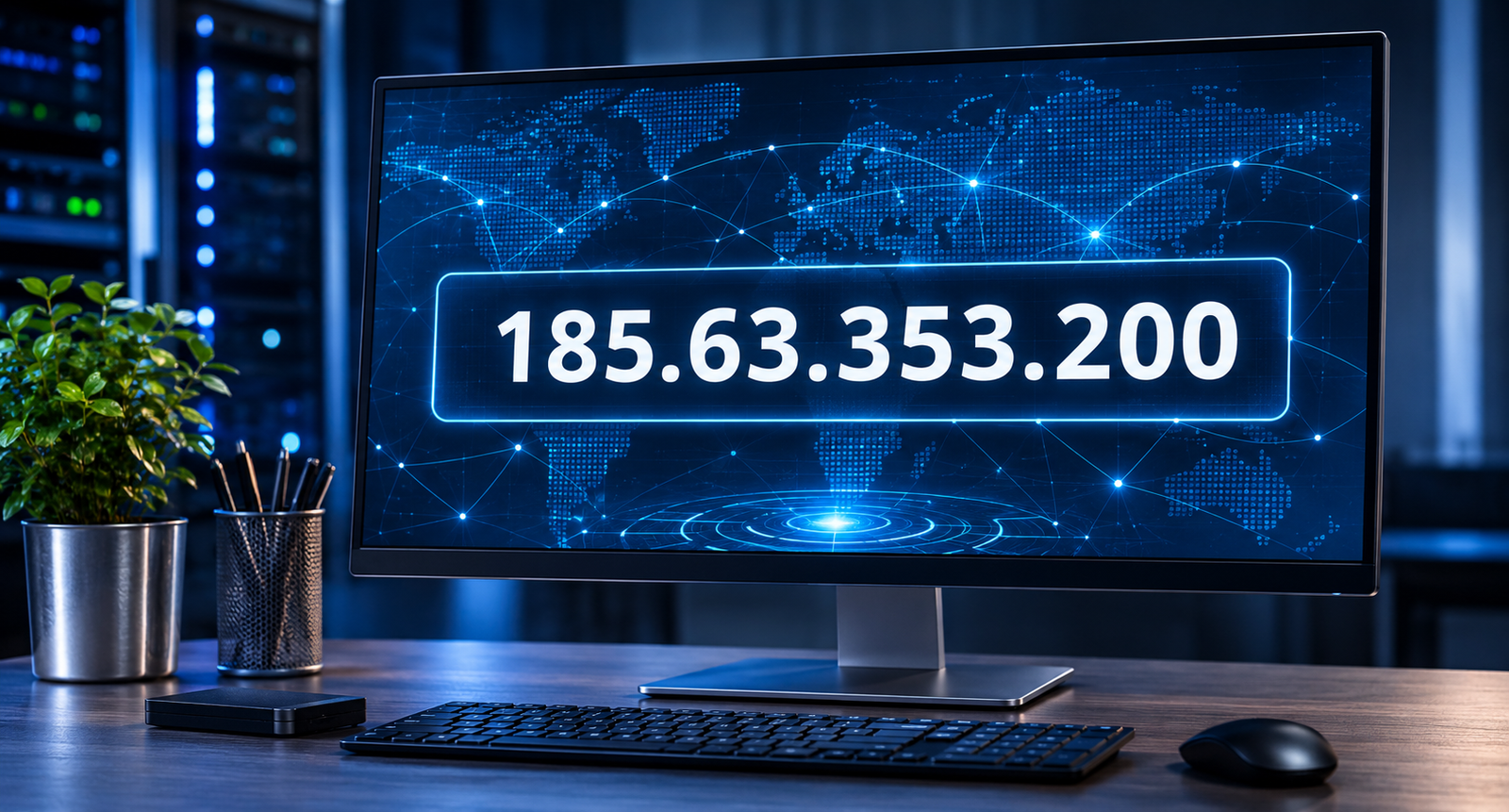
Read also: What Is 185.63.353.200? Understanding This Unusual IP


111.150.90.2004 IP Address Format and Errors
[…] Read also: 111.90.150.288 Is This a Valid IP Address? […]