

who called from 8774220763? Learn what reports say about this toll-free number and how to handle suspicious calls safely. 8774220763 is a toll-free U.S. phone number that has attracted attention because of reports from people who received unexpected calls or messages from it. When an unfamiliar number appears on your screen, it is easy to wonder whether it belongs to a legitimate company, a debt collector, or a scammer. Public caller-reporting databases currently show several negative reports connected with this number, including complaints describing possible scam activity.
What Is 8774220763?
8774220763 is the same number commonly displayed as 1-877-422-0763 or (877) 422-0763. The 877 prefix is a U.S. toll-free prefix, so the number itself does not reveal a specific city or state. That is important because a toll-free number can be used by legitimate businesses, customer-service departments, collection operations, and other organizations. The prefix alone therefore cannot prove that a call is safe or fraudulent.
Why Are People Searching for 8774220763?
People usually search a phone number after receiving an unexpected call, text message, or voicemail. In the case of 8774220763, public reports give people another reason to investigate because several users have classified calls from the number as suspicious or scam-related. CallFilter currently lists nine negative ratings, with eight categorized as scams.
Is 8774220763 a Scam?
There are enough public complaints to justify caution, but it would be too strong to claim that every call from 8774220763 is definitively fraudulent. Caller-reporting websites rely heavily on user-submitted information, and phone numbers can sometimes be spoofed or associated with different calling campaigns. Still, the available reports create a clear reason to verify the caller independently before sharing information or making a payment.
What Do People Report About This Number?
Some user reports describe messages that appeared to reference Credit One Bank. One report said the recipient first received a message asking whether they used Credit One Bank and later received a call from this number. Another report described a recorded message connected to an alleged SBA or EIDL loan. These are individual reports rather than official findings, so they should be treated as warning signs rather than definitive proof of ownership.
Could 8774220763 Be Related to Debt Collection?
Possibly. Some online caller databases associate the number with debt-collection activity, and RoboKiller lists a “Premier bank card” nickname with the caller category marked as a debt collector. Another consumer-law source says the number may be associated with Credit One Bank. However, these sources do not establish that every call from the number actually originates from that company.
Why You Should Not Trust Caller ID Alone
Caller ID is useful, but it is not proof of identity. Fraudsters can manipulate caller information so that a call appears to come from a familiar company or institution. That means even if a caller claims to represent a bank, government agency, lender, or another organization, you should not automatically assume the displayed number is genuine. The safer approach is to end the call and contact the organization through a phone number published on its official website, statement, card, or verified account.
What Should You Do If 8774220763 Calls You?
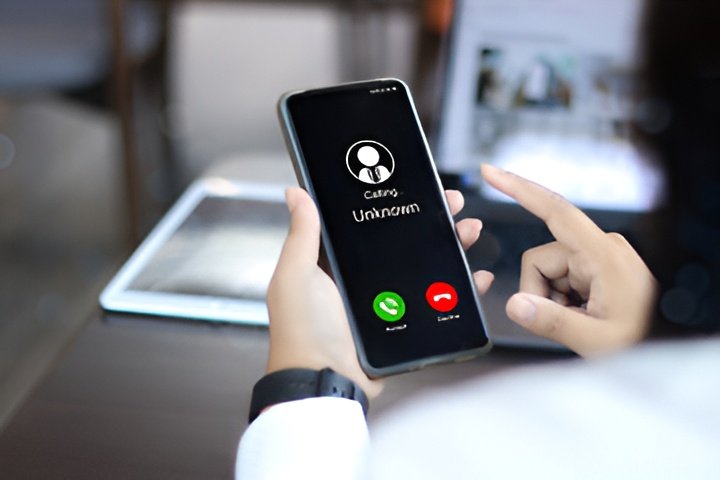
If you do not recognize the number, let the call go to voicemail. A legitimate organization that genuinely needs to reach you will usually provide enough information for you to identify the reason for the contact without demanding sensitive information immediately. If the voicemail creates urgency, threatens consequences, or instructs you to call another unfamiliar number, slow down and verify the claim independently.
What Information Should You Never Give?
Never give an unexpected caller your Social Security number, banking password, debit-card PIN, full payment-card details, one-time verification code, or online-account login information. You should also be cautious about confirming personal information such as your date of birth or full address when you have not independently established who is calling. A caller who pressures you to reveal information immediately is giving you a good reason to stop the conversation.
What If the Caller Says You Owe Money?
Do not panic if someone claims that you have an unpaid balance. Ask for the company name, department, reference information, and a written explanation of the alleged debt. Then independently locate the organization’s official contact details and verify the claim. Do not use a callback number supplied during a suspicious call as your only method of verification. This simple step can prevent a stressful situation from turning into a financial loss.
What If You Receive a Text From 8774220763?
Treat an unexpected text with the same caution as an unsolicited phone call. Do not click unfamiliar links, download attachments, or respond with personal information simply because the message appears to mention a company you recognize. One public report specifically described a text message associated with Credit One Bank before a subsequent call from 8774220763.
Should You Call 8774220763 Back?
There is little reason to call an unfamiliar number back simply because it left a message. If the message claims to represent a company you actually use, find that company’s verified contact information yourself and call through the official channel. This gives you a much better chance of reaching the real organization rather than someone attempting to impersonate it.
How to Handle Repeated Calls
Repeated unwanted calls can become frustrating, particularly when the caller does not clearly identify themselves. You can block the number on your phone and use your carrier’s spam-call protection if available. Keep screenshots, voicemails, and messages if the calls appear threatening, fraudulent, or financially suspicious. Having a record can make it easier to explain what happened if you decide to report the activity.
Can You Report Suspicious Calls?
Yes. If you believe a call is fraudulent or abusive, you can report it to the appropriate consumer-protection or telecommunications authority. Your phone carrier may also have a spam-reporting mechanism. Keep the original message or voicemail when possible because details such as the date, time, number displayed, and claims made during the call can help establish what happened.
Why Toll-Free Numbers Can Be Misleading
An 877 number may look professional because businesses commonly use toll-free numbers for customer service. But the appearance of a toll-free number does not automatically make a caller trustworthy. Legitimate organizations use these numbers, and scammers may also use or spoof numbers that look legitimate. The important question is not simply whether the number looks official; it is whether the person contacting you can be independently verified.
Signs That a Call May Be Suspicious
Watch for familiar scam patterns such as urgent payment demands, threats of arrest or account closure, requests for verification codes, pressure to stay on the phone, unusual payment instructions, or demands for confidential information. Another warning sign is when the caller discourages you from contacting the organization directly. Genuine customer-service interactions should not require you to ignore normal verification procedures.
What If You Already Shared Information?
If you already gave sensitive information to someone calling from 8774220763, do not assume the situation is hopeless. Change compromised passwords immediately, contact your bank or card issuer through an official number, monitor financial accounts, and consider placing appropriate fraud alerts or freezes if financial identity information was exposed. The faster you respond, the more opportunities you may have to limit potential damage.
How to Check an Unknown Number Safely
A good number-checking routine is simple. Search the complete phone number, compare several independent caller-reporting sources, read the actual complaints rather than relying only on a rating, and then verify any claimed company through its official website. In the case of 8774220763, different public databases provide different descriptions, which is exactly why you should avoid treating one database as definitive proof of identity.
8774220763 and Credit One Bank Claims
Credit One Bank appears in several online reports involving this number, but an online report should not be confused with official confirmation that the number belongs to the bank. If someone claiming to represent Credit One contacts you, use the bank’s verified customer-service channel rather than relying on the incoming caller’s information. This distinction matters because scammers frequently borrow recognizable company names to make unexpected communications seem believable.
8774220763 and SBA or EIDL Claims
At least one public complaint describes an automated message that allegedly referenced an SBA EIDL loan. The person reporting it said they had never requested such a loan. If you receive a similar message about a government loan, do not assume the claim is genuine simply because the message uses government terminology. Verify the alleged account or loan through an official government channel instead of following instructions contained in the suspicious message.
Is It Safe to Answer 8774220763?
Answering an unknown call is not necessarily dangerous by itself, but there is rarely a benefit to continuing a conversation when the caller cannot clearly establish who they are and why they are calling. If you answer and the conversation immediately turns toward payment, sensitive information, threats, or unusual instructions, end the call and verify the matter independently.
What Makes a Number Lookup Useful?
Phone-number searches can give you useful clues, especially when many unrelated people report similar behavior. They can reveal patterns such as repeated scam complaints, debt-collection claims, robocalls, or impersonation attempts. However, these databases are not official identity registries. Think of them as warning systems rather than final authorities.
Conclusion
8774220763 should be treated cautiously. It is a U.S. toll-free number with multiple negative user reports, including reports describing possible scams and alleged financial or government-related messages. There are also sources that associate it with debt-collection or banking-related activity, but the available public evidence does not establish one definitive owner or prove that every call from the number is fraudulent. The safest approach is straightforward: do not provide sensitive information, do not make a rushed payment, and independently verify any claim before taking action.
FAQs About 8774220763
Is 8774220763 a legitimate number?
8774220763 is a valid toll-free number format, but its toll-free status does not prove that a particular caller using it is legitimate. Public reports contain several negative complaints, so unexpected calls should be treated carefully.
Who may be calling from 8774220763?
Online reports have associated the number with possible debt-collection and banking-related calls, including references to Credit One Bank. Other reports describe alleged government-loan messages. None of these reports alone proves the identity of the caller.
Should I call 8774220763 back?
It is safer not to call an unfamiliar number back simply because it contacted you. If the caller claims to represent a company, find that organization’s official contact number independently and contact it directly.
Is 8774220763 connected to Credit One Bank?
Some user reports and online sources associate the number with Credit One Bank, but that does not independently verify that every call from the number comes from Credit One. Verify any banking claim through an official channel.
What should I do if 8774220763 keeps calling?
Let unknown calls go to voicemail, block the number if necessary, save suspicious messages, and report repeated fraudulent activity through appropriate consumer-protection or carrier channels.




Leave a Reply